Many people wonder if email marketing still works today. The answer is a clear yes. This channel offers strong revenue potential for businesses and individuals.
Building a quality email list forms the foundation of any successful campaign. Your subscribers become your most engaged audience. They trust your content and offers.
Good campaigns use segmentation and personalization. These techniques boost open rates and sales. Automation tools save time while delivering consistent value.
This guide provides clear steps to begin. You’ll learn effective strategies even without prior experience. Start building your profitable email channel today.
Key Takeaways
- Email marketing delivers excellent return on investment for businesses
- Building a targeted subscriber list is the essential first step
- Segmentation and personalization significantly improve engagement
- Automation tools help maintain consistency in your campaigns
- Both digital and physical products can be promoted effectively
- Testing and adapting strategies based on subscriber behavior is crucial
- Email remains a highly effective channel despite new alternatives
Understanding Email Marketing and Its Profit Potential
Commercial messages sent to prospects and customers form the core of this digital approach. This strategy promotes brands, products, or services directly to interested audiences. The communication builds awareness and nurtures relationships over time.
Primary goals include driving sales and increasing revenue through targeted outreach. Statistics consistently show excellent return on investment compared to other channels. This makes it a valuable component of any comprehensive marketing strategy.
Success begins with building a quality email list of engaged subscribers. These individuals have shown interest in your content or offerings. They represent your most receptive audience for future campaigns.
Advanced techniques significantly improve engagement rates. Segmentation divides your list based on user behavior and interests. Personalization tailors messages to individual preferences and needs.
Automation tools streamline the entire process while maintaining consistency. They ensure timely delivery of relevant content without manual effort. This efficiency allows focus on strategy development and campaign optimization.
Multiple monetization methods exist within this framework. These include selling products directly to your audience. Affiliate promotions and upselling to existing customers also generate income.
Tracking key metrics helps maximize campaign performance. Open rates, click-through rates, and conversions provide valuable insights. Continuous optimization based on this data drives better results over time.
This approach complements other digital marketing efforts seamlessly. It integrates well with social media and content marketing initiatives. Together they create a powerful revenue-generating ecosystem.
Beginners can start with minimal financial investment today. Affordable or free tools help build and manage effective campaigns. The low barrier to entry makes this accessible to most businesses.
Why Email Marketing is Still a Powerful Money-Making Tool
Digital channels evolve rapidly, yet one method continues to deliver exceptional results. This approach connects directly with interested individuals. It builds trust and drives consistent revenue.
Many professionals question its relevance in today’s crowded digital space. The reality proves quite different. This channel offers unique advantages that social media cannot match.
Subscribers voluntarily join your communication list. They expect and want your messages. This creates a receptive audience for your offers.
Key Statistics That Prove Email Marketing’s ROI
Numbers tell a compelling story about effectiveness. For every dollar spent, businesses see an average return of $42. This outstanding performance makes it a top choice for savvy marketers.
Global reach extends to 4 billion users worldwide. That massive audience provides incredible monetization potential. Properly executed campaigns reach people across all demographics.
Segmented messages generate 58% of total revenue. Targeted communication outperforms generic broadcasts every time. This strategy focuses on subscriber preferences and behaviors.
Common Challenges and How to Overcome Them
Building a quality contact list presents the first hurdle. Use double opt-in methods to ensure genuine interest. This verifies subscriber authenticity and improves engagement rates.
Delivery issues can undermine even the best content. Authenticate your domain to build sender reputation. Follow best practices to avoid spam filters and reach inboxes.
Automation tools streamline your workflow efficiently. Platforms like EcoSend and OptinMonster handle routine tasks. They ensure timely, relevant communication without constant manual effort.
Personalization requires careful balance. Use names and purchase history to enhance relevance. Avoid excessive detail that might feel intrusive to recipients.
Test different subject lines and content variations regularly. A/B testing reveals what resonates with your audience. Continuous improvement drives better open rates and engagement.
Integrate this channel with other marketing efforts. Social media platforms can amplify your message. Combined strategies reinforce branding and increase overall impact.
Stay updated with emerging trends and technologies. Sustainable practices and new platforms keep your approach competitive. Adaptation ensures long-term success in this dynamic field.
Building a Targeted Email List for Maximum Earnings
Your subscriber base forms the foundation of your digital communication strategy. Quality contacts translate directly into better engagement and higher conversion rates. Focus on attracting people who genuinely want your content.
Methods to Collect Emails from Interested Subscribers
Multiple approaches help grow your contact database effectively. Website sign-up forms capture visitors already exploring your content. Social media campaigns extend your reach to broader audiences.
LinkedIn outreach connects with professionals in your industry. Lead magnets provide immediate value in exchange for contact information. These incentives address specific pain points or interests.
Effective lead magnet ideas include:
- Free eBooks addressing common challenges
- Short video courses teaching valuable skills
- Exclusive discount codes for first-time subscribers
- Resource libraries with helpful templates
- Webinars covering popular topics
OptinMonster creates engaging opt-in forms that convert visitors. Popups and floating bars capture attention at strategic moments. These tools tailor forms to visitor behavior patterns.
Ensuring Your List Aligns with Your Monetization Goals
Your subscriber base should match your target audience precisely. Verify that new contacts fit your ideal customer profile. This alignment ensures higher conversion rates for your offers.
Segment new subscribers based on their source or expressed interests. This allows tailored initial communications that resonate better. Personalized welcome sequences improve early engagement.
Regular list maintenance keeps your database healthy and responsive. Remove inactive contacts to maintain high deliverability rates. Clean lists improve overall campaign performance metrics.
Ethical practices build trust and ensure regulatory compliance. Always obtain explicit consent before adding contacts. Provide clear unsubscribe options in every message.
Analyze subscriber demographics and behavior patterns regularly. This data helps refine your collection methods over time. Focus on channels that deliver the most qualified leads.
Align list building with broader business objectives. Your communication efforts should support revenue generation directly. Strategic list growth drives sustainable income streams.
Creating a SMART Email Marketing Campaign
Successful campaigns require clear direction from the start. The SMART framework provides a proven structure for goal setting. This approach transforms vague ideas into actionable plans.
SMART stands for Specific, Measurable, Achievable, Relevant, and Timely. Each component plays a crucial role in campaign development. Together they create a roadmap for consistent results.

Defining Specific, Measurable, Achievable, Relevant, and Timely Goals
Specific goals focus on precise outcomes rather than general intentions. Examples include increasing product sales by 20% or adding 1,000 new subscribers. Clear objectives eliminate confusion and direct efforts effectively.
Measurable goals use quantifiable metrics to track progress. Open rates, click-through rates, and conversion percentages provide concrete data. These numbers reveal what works and what needs adjustment.
Achievable goals maintain realism based on available resources. Historical performance data helps set reasonable targets. Unrealistic expectations often lead to disappointment and wasted effort.
Relevant goals align with broader business objectives and audience interests. Campaigns should support overall growth while addressing subscriber needs. This connection ensures messages resonate and drive action.
Timely goals establish clear deadlines for evaluation. A three-month window to achieve a 15% conversion rate creates urgency. Regular checkpoints allow for strategy adjustments along the way.
Integrating SMART criteria with automation tools enhances consistency. These platforms ensure messages deliver value at optimal times. The combination drives better performance across all campaigns.
Regular reviews identify improvement opportunities quickly. Refining subject lines or audience segmentation often boosts engagement. Continuous optimization based on performance data maximizes results.
Different campaign types require distinct measurement approaches. Awareness efforts focus on engagement metrics rather than direct sales. Revenue-driven initiatives track concrete financial contributions.
This structured approach helps prioritize resources efficiently. Teams focus on activities that directly support stated objectives. Strategic adjustments become data-driven rather than guesswork.
SMART planning creates campaigns that deliver predictable outcomes. Subscribers receive more relevant and valuable content. Businesses achieve better returns on their marketing investment.
How to Make Money with Email Marketing: Selling Your Own Products
Selling your own products through your email channel creates excellent revenue opportunities. This approach gives you full control over pricing, branding, and customer experience. Your subscriber list becomes a direct sales channel for your offerings.
Physical and digital items both work well for this strategy. Your choice depends on available resources and audience preferences. Each option has distinct advantages for different business models.
Choosing Between Physical and Digital Products
Physical products require handling inventory and shipping logistics. They offer tangible value that many customers appreciate. Email campaigns can showcase these items effectively through targeted promotions.
Digital products eliminate shipping and inventory concerns entirely. They scale effortlessly once created. Your email list can access these immediately after purchase.
Consider your target audience’s needs and expectations. Some groups prefer physical items they can touch and use. Others value instant access to digital solutions.
Your expertise and resources also influence this decision. Digital creation often requires specific skills but lower ongoing costs. Physical products need storage space and fulfillment systems.
Ideas for Profitable Digital Products
Online courses address specific learning needs within your niche. They deliver value through structured educational content. Your subscribers already trust your expertise in this area.
eBooks provide concentrated knowledge on focused topics. They require less production time than full courses. Many audiences appreciate this format for quick learning.
Coaching sessions offer personalized guidance and support. These create high-value one-on-one interactions. They work particularly well for service-based businesses.
Membership sites generate recurring revenue through exclusive access. They build community around your brand. This model encourages long-term subscriber engagement.
Downloadable guides and templates solve immediate problems. They deliver practical value quickly. These digital products often have high perceived value.
Testing different product ideas with your audience reveals what resonates. Segment your list based on expressed interests and behaviors. This data helps refine your offerings over time.
Automation tools streamline the delivery process for digital items. They provide instant access after purchase. This enhances customer satisfaction while reducing manual work.
Analyze sales data from your campaigns regularly. This information helps optimize pricing and product features. Continuous improvement drives better results and higher revenue.
Leveraging Affiliate Marketing in Your Emails
Commission-based promotions represent a powerful income stream for content creators. This approach lets you recommend quality items to your audience. You earn a percentage of each sale generated through your unique links.
Successful affiliate relationships begin with careful partner selection. Choose companies whose offerings align with your subscribers’ needs. Your recommendations should feel natural within your existing content flow.
How Affiliate Marketing Works and Finding the Right Partners
Companies provide special tracking links to their affiliates. These links monitor sales originating from your communications. You receive compensation for every completed transaction.
Identify partners through these methods:
- Research affiliate networks like ShareASale or Commission Junction
- Directly contact brands you already use and admire
- Analyze competitor partnerships within your niche
- Attend industry events to connect with potential partners
Evaluate each opportunity based on commission structure and product quality. Higher percentages don’t always mean better partnerships. Choose items that genuinely benefit your audience.
Best Practices for Promoting Affiliate Products
Authenticity forms the foundation of effective affiliate promotions. Only share products you’ve personally tested and found valuable. Your subscribers trust your honest opinions and experiences.
Integrate recommendations naturally within helpful content. Avoid making every message a sales pitch. Provide genuine value before introducing affiliate opportunities.
Use tracking tools like Pretty Links to manage your partnerships. These platforms shorten and organize your affiliate links. They also provide valuable performance data for each campaign.
Always disclose your affiliate relationships transparently. This builds trust and meets legal requirements. Simple statements like “This contains affiliate links” work effectively.
Segment your list based on purchase history and interests. Send relevant offers to subscribers most likely to appreciate them. Targeted messages convert better than blanket promotions.
Negotiate better commission rates as your influence grows. Demonstrate consistent sales results to partners. Higher volumes often qualify for improved percentage structures.
Test different promotional approaches to find what works best. Some audiences respond well to dedicated review emails. Others prefer subtle mentions within regular newsletters.
Monitor performance metrics regularly through your affiliate dashboard. Focus on partnerships generating the highest conversions. Adjust your strategy based on concrete revenue data.
Writing Effective Emails That Drive Sales
Your email content determines whether subscribers engage or ignore your messages. Strong writing converts readers into buyers. Every element must work together to create compelling communication.
Subject lines serve as the first impression. They decide if recipients open your message. Crafting irresistible headlines becomes an essential skill.
Crafting Subject Lines That Boost Open Rates
Effective headlines grab attention quickly. They create curiosity without misleading readers. Short phrases often perform better than long sentences.
Personalization increases open rates significantly. Including names makes messages feel tailored. Location or past behavior can also enhance relevance.
Urgency drives immediate action. Limited-time offers create fear of missing out. Specific deadlines encourage quicker responses.
| Subject Line Type | Example | Expected Impact |
|---|---|---|
| Personalized | “John, your exclusive offer inside” | Higher open rates |
| Urgent | “24-hour sale ends tonight” | Quick engagement |
| Benefit-driven | “Double your productivity today” | Strong click-through |
| Question-based | “Ready to upgrade your results?” | Curiosity generation |
| Number-focused | “5 tips to improve your strategy” | Clear value promise |
Testing different approaches reveals what works best. Split testing compares two variations simultaneously. Data-driven decisions improve future performance.
Avoid spam triggers like excessive capitalization. Misleading claims damage trust permanently. Authenticity builds long-term relationships.
Using Psychological Tricks like FOMO and Personalization
Psychological principles influence subscriber behavior effectively. Understanding human motivation improves conversion rates. These techniques feel natural when applied correctly.
Scarcity creates desire for limited availability. Exclusive offers drive immediate action. This approach works well for special events.
Social proof builds confidence through others’ experiences. Testimonials and user numbers establish credibility. People trust recommendations from peers.
Personalization extends beyond using names. Past purchase history informs relevant suggestions. Behavioral data enables tailored content.
Emotional connection strengthens engagement. Stories resonate more than plain facts. Benefit-focused language addresses real needs.
Clear calls-to-action guide readers toward next steps. Specific instructions reduce confusion. Multiple options accommodate different preferences.
Continuous optimization maintains campaign effectiveness. Regular reviews identify improvement opportunities. Evolving strategies keep content fresh.
Upselling to Existing Customers for Increased Revenue
Existing buyers represent your most valuable audience for growth. They already trust your brand and appreciate your offerings. This relationship creates perfect conditions for introducing premium options.
Strategic upgrades boost income without requiring new customer acquisition. Your current clients know your quality and service standards. They often welcome opportunities to enhance their experience.

Analyzing Customer Purchases for Relevant Upsell Offers
Purchase history reveals valuable patterns and preferences. Study what items each client bought previously. This data guides your upgrade suggestions perfectly.
Timing plays a crucial role in successful upgrade campaigns. Send offers shortly after delivery when satisfaction peaks. Customers feel positive about their recent acquisition.
Personalization makes recommendations feel thoughtful rather than pushy. Reference their specific previous choices in your message. This approach demonstrates genuine attention to their needs.
Highlight clear benefits of the premium option. Explain how it improves upon their current solution. Focus on enhanced features or exclusive access.
Educational content works better than aggressive sales tactics. Show how the upgrade solves problems more effectively. Customers appreciate understanding the value proposition.
Bundling products creates attractive package deals. Combine related items at special pricing. This strategy increases perceived value significantly.
Automation tools streamline the entire process. Trigger messages based on specific purchase actions. This ensures timely and relevant communication.
Monitor performance metrics carefully. Track which upgrades generate the most additional income. Refine your approach based on concrete results.
Encourage feedback about your upgrade suggestions. Learn what resonates with your audience. Continuous improvement drives better outcomes over time.
Your existing clients represent tremendous potential. They already chose your solutions once. Strategic upgrades benefit both parties equally.
Cross-Selling Strategies to Boost Average Order Value
Smart businesses know that existing customers offer tremendous growth potential. Cross-selling enhances customer experience while increasing revenue per transaction. This approach recommends complementary items that improve the original purchase.
Successful cross-selling feels helpful rather than salesy. It demonstrates genuine understanding of customer needs. The strategy builds stronger relationships while driving business growth.
Bundling Products and Automating Cross-Sell Emails
Product bundles create compelling offers for your audience. They combine related items at attractive pricing. Customers appreciate the convenience and perceived value.
Automation tools streamline the entire cross-selling process. Platforms like SureTriggers send timely messages based on customer actions. This ensures relevant offers reach people at optimal moments.
Effective cross-selling follows these principles:
- Recommend items that genuinely enhance the original purchase
- Create bundles that offer clear cost savings or convenience
- Time your offers based on customer behavior patterns
- Use segmentation to target the most receptive audience
- Test different product combinations and messaging approaches
Purchase history provides excellent guidance for recommendations. Analyze what items customers buy together naturally. This data reveals perfect bundling opportunities.
Cross-sell emails should focus on benefits rather than features. Explain how the additional product solves problems better. Customers respond to clear value propositions.
Monitor conversion rates and revenue from these efforts. Track which combinations perform best with your audience. Continuous optimization improves results over time.
Integrate cross-selling with your overall marketing strategy. It complements upselling and affiliate promotions beautifully. Together they create a comprehensive revenue system.
Always prioritize customer experience in your approach. Recommendations should feel thoughtful and relevant. This builds trust and encourages repeat business.
Segmenting Your Email List for Better Engagement
Organizing your contacts into specific groups dramatically improves communication effectiveness. This process creates more relevant experiences for your audience. It transforms generic broadcasts into targeted conversations.
Segmented messages generate significantly higher engagement rates. They address individual preferences and behaviors directly. This approach builds stronger relationships with your subscribers.
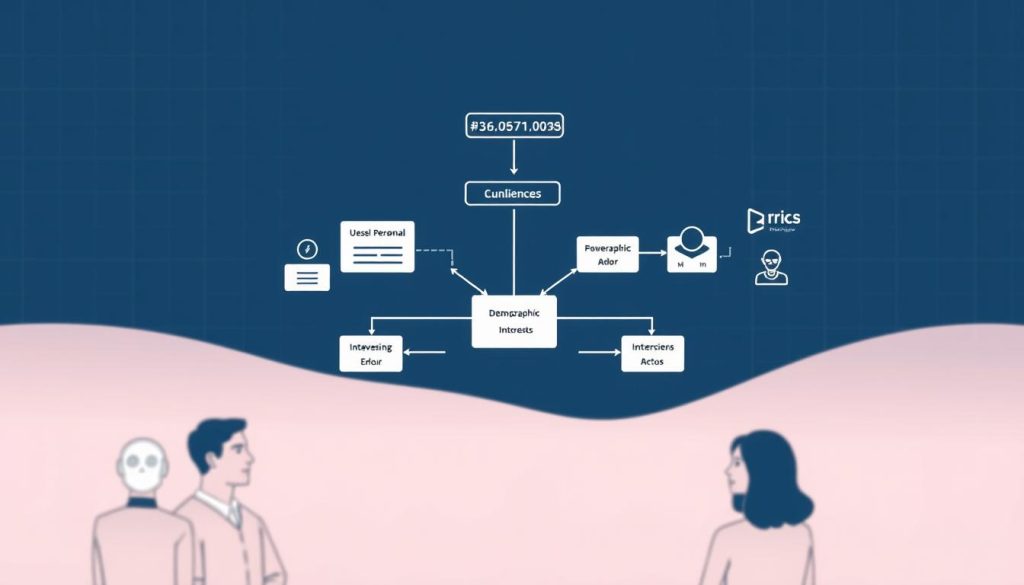
Segmentation Based on Demographics, Behavior, and Interests
Demographic segmentation uses personal characteristics to group contacts. Age, gender, location, and income level form common categories. This method helps tailor content to specific life stages or geographic needs.
Behavioral segmentation focuses on actions and interactions. Purchase history, website visits, and engagement patterns guide this approach. It identifies highly active subscribers versus those needing re-engagement.
Interest-based grouping categorizes people by their preferences. Survey responses and content interactions provide valuable data. This ensures messages align perfectly with individual passions.
Effective segmentation relies on quality data collection. Sign-up forms should gather relevant information from the beginning. Surveys and preference centers offer additional insights over time.
Tracking tools monitor subscriber interactions across platforms. This data automatically updates segmentation criteria. Dynamic grouping maintains relevance without constant manual adjustments.
Testing different segmentation approaches reveals what works best. Some audiences respond strongly to demographic targeting. Others engage better with behavior-based categorization.
Regular analysis of campaign performance guides strategy refinement. Open rates, click-through rates, and conversions provide clear metrics. These numbers show which segmentation methods drive the best results.
Personalization within segments enhances effectiveness further. Tailored content addresses specific needs and interests directly. This combination creates powerful, engaging communication.
Continuous optimization maintains segmentation relevance over time. Subscriber preferences and behaviors evolve naturally. Your strategy should adapt accordingly for sustained success.
Personalizing Emails to Enhance Customer Relationships
Personal connections transform ordinary messages into meaningful conversations. Your subscribers appreciate content that speaks directly to their needs. This approach builds stronger bonds and increases loyalty over time.
Personalization moves beyond simple name insertion. It involves tailoring every element based on individual preferences. This strategy makes recipients feel valued and understood.
Techniques for Making Emails Feel Tailored and Valuable
Dynamic content adapts based on subscriber information. Location-specific offers and product suggestions work well. These elements create relevant experiences for each person.
Reference past interactions to demonstrate genuine care. Mention previous purchases or website activity. This shows you remember and value their journey.
Behavioral triggers deliver perfectly timed communication. Abandoned cart reminders and birthday discounts perform exceptionally. These messages address specific moments in the customer lifecycle.
Effective personalization techniques include:
- Segment-based content that aligns with group interests
- Data-driven recommendations based on purchase history
- Personalized subject lines that increase open rates
- Tailored images that reflect individual preferences
- Customized calls-to-action that match user intent
Avoid excessive detail that might feel intrusive. Balance data usage with authentic, helpful communication. Your audience should feel respected, not monitored.
Test different personalization elements regularly. Compare various subject lines and content variations. Data reveals what resonates best with your subscribers.
Automation tools scale these efforts efficiently. They handle individual customization without manual work. This ensures consistency across your entire contact list.
Monitor key metrics to assess personalization impact. Open rates and conversions provide valuable insights. These numbers guide your strategy refinement.
Gather feedback through surveys and preference centers. Understand what your audience truly values. Continuous improvement enhances customer relationships.
Personalized messages drive higher engagement and revenue. They transform generic broadcasts into valued conversations. This approach benefits both businesses and subscribers.
Automating Emails for Timely and Relevant Communication
Efficient communication systems transform how businesses connect with their audience. Automation tools handle routine tasks while maintaining consistency. This approach ensures subscribers receive valuable content at optimal moments.
These systems respond instantly to subscriber actions and behaviors. They deliver personalized experiences without constant manual oversight. The result is stronger engagement and better conversion rates.

Setting Triggers and Scheduling for Optimal Impact
Trigger-based messages activate when subscribers complete specific actions. Sign-ups, purchases, or website visits can initiate automated sequences. This ensures immediate response to subscriber interest.
Welcome series should begin immediately after subscription. New contacts receive introduction messages right away. This builds momentum and establishes communication patterns.
Scheduling considers audience behavior patterns and time zones. Analysis reveals when subscribers most actively engage with content. Messages arrive when recipients are most receptive.
Effective automation handles various scenarios:
- Abandoned cart reminders recover potential lost sales
- Re-engagement campaigns reactivate inactive subscribers
- Post-purchase follow-ups strengthen customer relationships
- Birthday or anniversary messages create personal connections
- Educational sequences deliver value over time
Platforms like EcoSend integrate with existing CRM systems. They manage complex workflows across multiple channels. These tools ensure seamless operation without technical complexity.
Testing different sequences identifies the most effective approaches. Compare various trigger timings and message content. Data-driven adjustments optimize performance continuously.
Monitoring ensures messages deliver correctly and achieve desired outcomes. Open rates and conversion metrics provide valuable insights. Regular reviews maintain system effectiveness.
Combining automation with segmentation creates powerful targeting. Messages reach specific groups with relevant content. This precision drives higher engagement and better results.
Workflows should evolve with changing business needs. Update sequences to reflect new products or promotions. Subscriber behavior changes also require adaptation.
| Automation Type | Primary Trigger | Typical Response Rate |
|---|---|---|
| Welcome Series | New Subscription | 85% Open Rate |
| Cart Recovery | Abandoned Cart | 35% Conversion |
| Re-engagement | 30-Day Inactivity | 25% Reactivation |
| Post-Purchase | Completed Order | 40% Repeat Purchase |
| Educational | Content Download | 60% Completion |
These systems save significant time while improving communication quality. Teams focus on strategy rather than manual sending. The efficiency gains translate directly into better performance.
Subscribers appreciate timely, relevant messages that address their needs. Automation delivers this consistency at scale. The result is stronger relationships and increased loyalty.
Regular feedback collection helps refine automated sequences. Subscriber input guides improvements and adjustments. This collaborative approach ensures ongoing relevance.
Investment in automation tools yields excellent returns. The initial setup requires careful planning and testing. Long-term benefits justify this effort through sustained performance.
Exploring Additional Monetization Methods
Beyond traditional approaches, creative revenue streams exist within your communication channel. These alternatives diversify income while providing unique subscriber value. Each method requires careful alignment with audience interests.
Successful implementation maintains trust and engagement throughout. Your subscribers appreciate relevant, valuable offerings. These strategies complement existing efforts beautifully.
Paid Newsletters and Email Courses
Exclusive content creates premium subscription opportunities. Subscribers pay for specialized information and insights. This model works well for established authorities.
Platforms like Substack simplify the technical setup process. They handle payments and delivery automatically. Self-hosted solutions with WPForms offer complete customization.
Educational sequences deliver structured learning experiences. These courses provide step-by-step guidance on specific topics. Participants appreciate the organized approach.
Freemium models attract potential buyers effectively. Free previews demonstrate content quality and style. Upselling premium access becomes natural afterward.
Content must justify the subscription cost consistently. Exclusive research, early access, or expert interviews add significant value. Subscribers should feel their investment returns multiple benefits.
Sponsorships and Redirecting Subscribers for Commission
Brand partnerships introduce another revenue dimension. Companies pay for exposure to your engaged audience. These collaborations must align with subscriber interests perfectly.
Transparency builds trust in sponsored relationships. Clearly identify promotional content within your messages. Your audience appreciates honest communication.
Commission-based redirection earns income through subscriber clicks. Partner websites pay for qualified traffic from your list. This approach requires relevant destination pages.
Negotiation depends on your engagement metrics and list size. Higher open rates and click-through percentages increase your value. Demonstrate concrete results to secure better compensation.
Testing different partnership approaches reveals optimal performance. Some audiences prefer subtle integrations within regular content. Others respond well to dedicated sponsor highlights.
| Monetization Method | Primary Platform | Average Earnings Potential |
|---|---|---|
| Paid Newsletters | Substack | $5-50/month per subscriber |
| Email Courses | Self-Hosted | $97-497 per course |
| Sponsorships | Direct Partnerships | $500-5000 per mention |
| Click Commissions | Partner Networks | $0.50-1.00 per visitor |
| Freemium Upsells | WPForms | 15-25% conversion rate |
Diversification reduces reliance on any single income source. Multiple streams create financial stability and growth opportunities. Testing identifies the best combination for your specific audience.
Monitor subscriber feedback and churn rates carefully. New monetization methods should enhance rather than detract from experience. Adjust strategies based on concrete performance data.
Integration with existing approaches maximizes overall impact. Combine affiliate promotions with sponsored content for compounded results. Strategic layering drives better revenue outcomes.
Your audience remains the central focus throughout implementation. Their needs and interests guide all monetization decisions. This prioritization ensures long-term success and loyalty.
Conclusion
Building a successful digital communication channel requires dedication and smart planning. Strategic segmentation, personalization, and automation drive engagement and boost results over time.
Diverse income streams like affiliate promotions and product sales generate revenue. Consistent testing and optimization based on subscriber behavior refine your approach.
Focus on delivering genuine value to your audience. This builds trust and encourages long-term loyalty. Patience and persistence lead to sustainable growth.
Start with clear, achievable goals. Expand your efforts as you gain experience. Your commitment will yield rewarding outcomes.