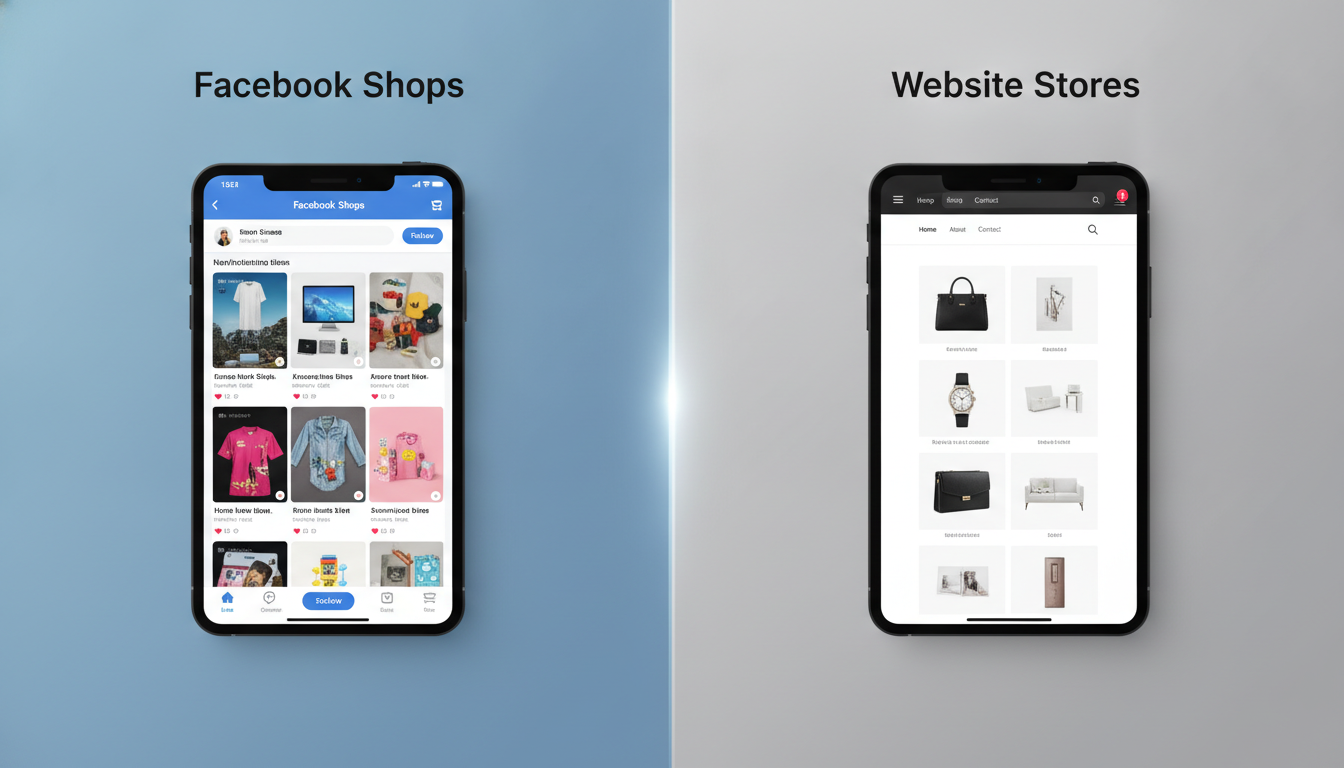
In today’s fast-paced digital world, social commerce is rapidly evolving. Brands are increasingly connecting their products with buyers directly on social media platforms. This shift has led many sellers to evaluate their options between two popular avenues: the Marketplace and dedicated online environments.
Understanding the differences between these platforms is essential for any business owner. Whether you prioritize speed and simplicity or long-term brand control, your choice can significantly impact your success. Many sellers are grappling with the decision of whether to focus on a casual marketplace or establish a structured online shop.
This guide will explore the fundamental differences between these options. We aim to help you decide which ecommerce strategy aligns with your unique business goals. By examining specific features, we can provide clarity on the best path for sustainable online growth.
Key Takeaways
- Understanding the right platform is crucial for ecommerce success.
- Social commerce offers unique opportunities for product visibility.
- Marketplace provides a casual selling environment, while dedicated shops offer structure.
- Evaluating long-term goals can guide your platform choice.
- Each option has distinct features that cater to different business needs.
Understanding Facebook Shops and Website Stores
As the world of digital commerce continues to transform, understanding platform options is essential. Two popular avenues for online selling are the Facebook Marketplace and dedicated online shops. Each serves a unique purpose and caters to different user needs.
The Facebook Marketplace launched in 2016, allowing individuals to buy and sell items like clothing and collectibles within local communities. It offers a quick and easy setup, enabling users to list products with just a few clicks. This platform emphasizes speed and convenience, functioning much like a digital yard sale.
In contrast, Facebook Shops debuted in 2020 to meet the needs of businesses requiring a more professional storefront. This platform provides a structured environment where brands can manage inventory and create a consistent identity. A shop acts as a centralized hub for browsing entire product catalogs efficiently.
Key Features and Tools for E-Commerce Success
To thrive in online selling, it’s crucial to grasp the key features available. Various tools can help sellers manage their products effectively. Understanding these features can enhance the overall shopping experience for buyers.
Effective inventory management is essential for any business. Sellers can utilize the Commerce Manager to track stock levels and product details. This centralized dashboard simplifies the process of managing listings and ensures that products are readily available for purchase.
Customization is another significant advantage. A shop allows businesses to design their storefront to reflect their unique brand aesthetic. This personalization can attract more buyers and foster brand loyalty.
When it comes to payment options, buyers have multiple choices. They can complete transactions securely using credit cards, PayPal, and digital wallets. This flexibility in payment options enhances the overall shopping experience.
| Feature | Description | Benefit |
|---|---|---|
| Inventory Management | Centralized dashboard for tracking stock | Prevents overselling and stock issues |
| Customization | Personalized storefront design | Enhances brand identity and appeal |
| Payment Options | Multiple secure payment methods | Improves buyer convenience and trust |

Benefits of Using Facebook Shops
Navigating the realm of digital commerce requires understanding the tools available for success. Facebook Shops offer numerous advantages that can significantly enhance your business operations.
Businesses using these platforms gain access to the Facebook Pixel, a powerful tool that tracks user behavior. This feature enables precise audience retargeting, allowing brands to reach potential customers effectively.
The Commerce Manager serves as the backbone for these operations. It allows brands to monitor performance metrics and adjust their advertising campaigns accordingly. This data-driven approach helps optimize marketing strategies.
Enhanced interaction through Messenger is another key benefit. This feature allows sellers to provide real-time customer support, significantly improving the overall shopping experience for every visitor.
Unlike the limited insights found on the Facebook marketplace, a shop provides detailed analytics. These insights help brands understand exactly how users engage with their products.
By leveraging these integrated marketing tools, companies can create highly effective ads that reach the right people at the right time.
| Tool | Description | Benefit |
|---|---|---|
| Facebook Pixel | Tracks user behavior for retargeting | Enables precise audience targeting |
| Commerce Manager | Monitors performance metrics | Optimizes advertising campaigns |
| Messenger | Real-time customer support | Enhances buyer interaction |
| Analytics | Detailed user engagement insights | Improves marketing strategies |
Advantages of Running Your Own Website Store
Establishing a dedicated online store presents numerous benefits for modern sellers. With a personal site, businesses gain complete brand control. This ensures that every product is showcased exactly as intended, reflecting the unique identity of the brand.
Additionally, integration with third-party platforms like Shopify, WooCommerce, or BigCommerce allows for seamless inventory management. Sellers can easily sync their products across various sales channels, streamlining operations.
A professional site provides a stable environment for implementing advanced ecommerce tools that social platforms may not offer. This stability allows businesses to build lasting relationships with their customers without being constrained by social media regulations.
Moreover, these comprehensive tools enable sellers to scale their operations effectively. They can manage complex product catalogs and provide a superior shopping experience for all users.

Facebook shops vs website stores: which one is better
In the ever-evolving landscape of online selling, understanding your options is crucial. When evaluating the choice between social media platforms and dedicated online environments, businesses must analyze specific conversion metrics and long-term growth potential.
For sellers focusing on high-volume sales, a dedicated store often provides better scalability compared to the limitations of a social media shop. The marketplace is ideal for reaching local buyers quickly, but it lacks the sophisticated tracking needed for large-scale advertising campaigns.
Additionally, businesses should consider their target audience. Some buyers prefer the convenience of purchasing directly within the app environment. Ultimately, the best choice depends on whether the business prioritizes the immediate visibility of the marketplace or the professional branding of a dedicated shop.
Cost Implications and Setup Process
When choosing an e-commerce platform, understanding the cost implications is vital for sellers. Different platforms have unique fee structures that can impact profit margins significantly.
For instance, Facebook Shops charges a 5% selling fee per shipment for sales over $8.00. This fee is essential to consider as it directly affects the overall profit from each sale.
Additionally, using tools like Facebook Pay allows buyers to store payment information for a quicker checkout experience. This convenience can lead to increased sales and customer satisfaction.
On the other hand, setting up a dedicated online shop often requires a more significant time investment. However, it offers more control over payment processing options and the overall shopping experience.
Managing inventory across multiple channels can also be time-consuming. Yet, this ensures that items are consistently available for sale, attracting potential buyers.
Businesses should weigh the cost of professional marketing services against the potential sales growth when deciding between these different e-commerce options.
| Platform | Fees | Setup Time |
|---|---|---|
| Facebook Shops | 5% per shipment | Quick setup |
| Dedicated Online Shop | Varies by provider | Significant time investment |
| Payment Processing | Facebook Pay available | Flexible options |

Marketing Strategies and Customer Engagement
In the competitive landscape of online retail, effective marketing strategies are essential for growth. Sellers must leverage targeted ads to reach specific audiences based on their interests. This approach significantly increases the visibility of product listings, drawing more potential buyers.
Utilizing the Commerce Manager, businesses can create promotional campaigns that drive traffic directly to their storefront. This not only enhances customer engagement but also boosts sales. Social media integrations allow brands to share their items across various channels, ensuring that products reach a wider audience.
Visibility is key to success in e-commerce. Using third-party tools can help sellers optimize their listings for better search results on the marketplace. Effective marketing strategies often involve a mix of organic posts and paid ads to maintain a consistent presence and attract new buyers daily.
| Strategy | Description | Benefit |
|---|---|---|
| Targeted Ads | Ads aimed at specific audiences | Increases product visibility |
| Commerce Manager | Tool for managing promotions | Enhances customer engagement |
| Social Media Integration | Sharing products across channels | Expands audience reach |
| Third-Party Tools | Optimizing listings for search | Improves visibility in the marketplace |

Conclusion
In the dynamic world of online commerce, making informed choices is essential for success. Selecting between different platforms can shape your business’s future. For newcomers, the marketplace offers a low-risk way to test products with minimal setup time and no listing fees.
On the other hand, established businesses often benefit from a dedicated site, providing better brand control and integration options for scaling operations. Utilizing both channels can maximize visibility, leveraging the marketplace for quick sales while building customer loyalty through a professional storefront.
Ultimately, your decision should align with your budget, technical capabilities, and how you wish to engage with your target buyers. Understanding these factors will empower you to make the best choice for your unique needs.